


Compact Substation: A Smart Power Distribution Solution for Limited Spaces
2026-09-28
As cities expand and renewable energy projects continue to grow, conventional substations can face challenges in areas where space and construction time are limited. Compact substations provide a practical alternative by integrating key power distribution equipment into a smaller footprint.
Designed for efficient power transformation and distribution, compact substations can be installed in locations where a conventional substation may require more space and civil work. This article covers their basic structure, applicable standards, common applications, and key advantages.
What Is a Compact Substation?
A compact substation is a factory-assembled power distribution unit designed to provide voltage transformation and electrical distribution in a space-efficient configuration. It typically integrates medium-voltage switchgear, a distribution transformer, and low-voltage switchgear or distribution equipment within a coordinated enclosure.
By combining these components into a compact structure, the system can reduce the space required for installation and simplify transportation and on-site assembly. The exact configuration, number of outgoing feeders, protection devices, and auxiliary functions depend on the rated capacity and application requirements.
Compact substations are commonly used in locations where available space is limited, including urban distribution networks, commercial facilities, industrial sites, renewable energy projects, and temporary construction areas. Their modular design also makes them suitable for projects that require relatively fast installation and a streamlined power distribution layout.
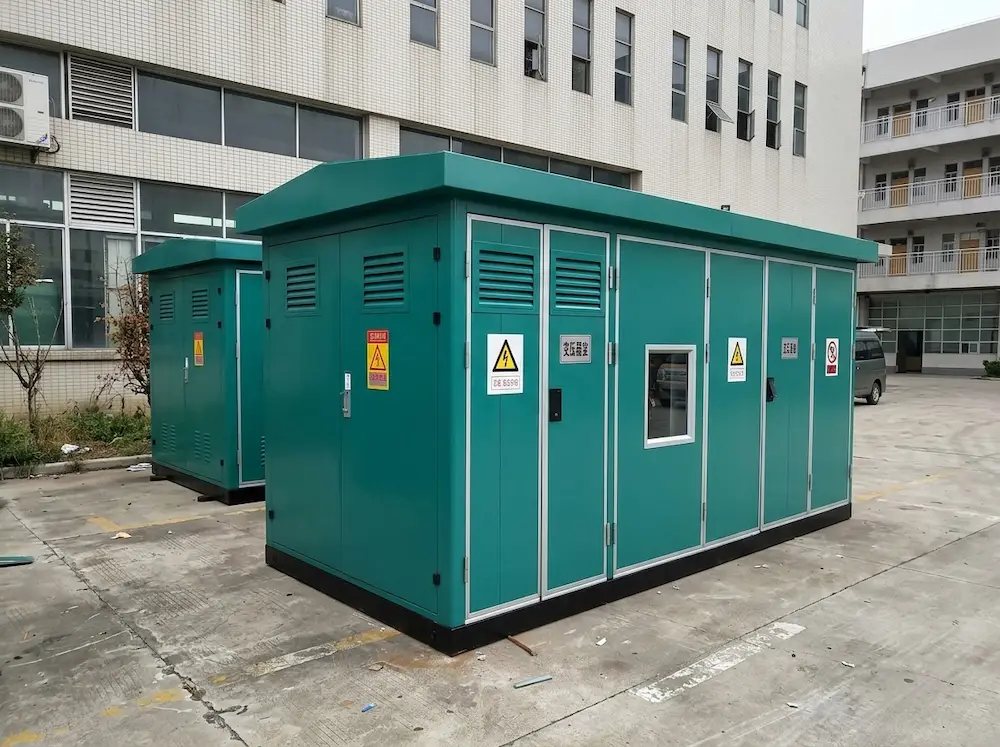
Optimized Design and International Compliance
Modular construction and standardized components help compact substations achieve efficient use of space, easier installation, and flexible configuration.
Simplified Layout
The compact design focuses on essential switching, protection, and distribution functions. By optimizing the equipment arrangement and reducing unnecessary components, the overall footprint can be minimized without compromising required electrical functions.
Standardized Configuration
Compact substations can be configured for common medium-voltage distribution systems, with transformer capacity and enclosure dimensions selected according to project requirements. Metal or composite enclosures can be used depending on the installation environment, protection requirements, and application.
Compliance with International Standards
The medium-voltage switchgear should comply with applicable IEC standards, such as IEC 62271-200 for AC metal-enclosed switchgear and controlgear. Depending on the target market, additional certifications and local requirements may also apply.
Factory Assembly for Faster Installation
Compact substations are typically assembled and tested in the factory before delivery. This approach reduces on-site installation work, simplifies commissioning, and can help shorten the overall project schedule.
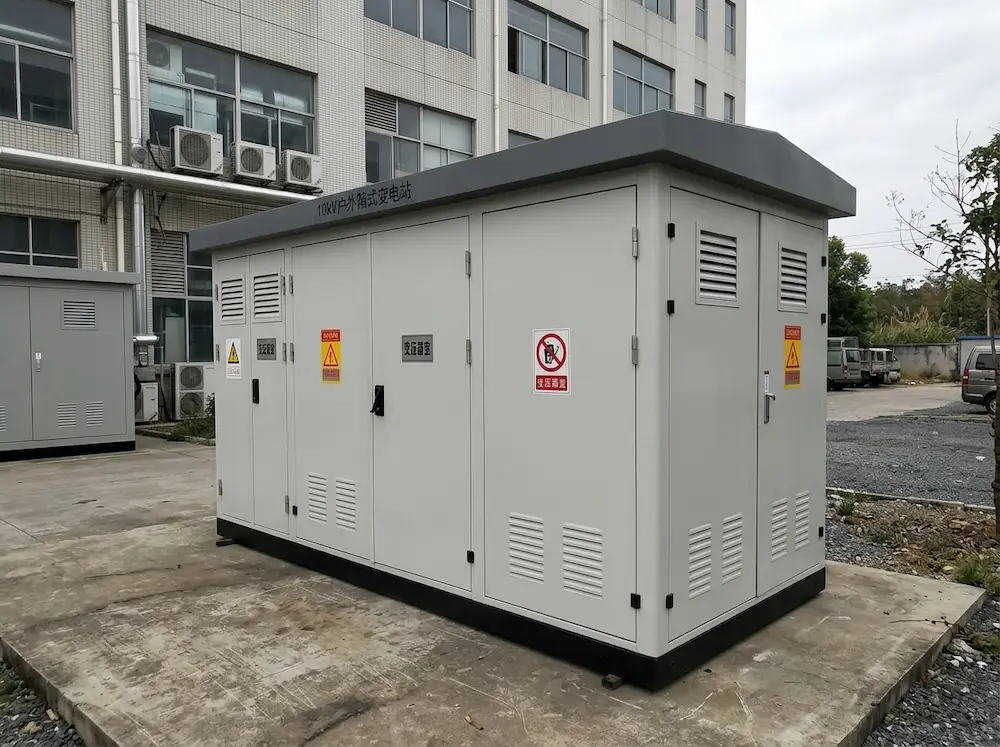
Key Differences from Standard Prefabricated Substations
| Feature | Standard Substation | Compact Substation |
| Space Layout | Separate compartments for HV, transformer, LV | Stacked modules in a single enclosure |
| Equipment Setup | Full switchgear, 6–8 feeder outputs | Simplified LV side, 4 standard outputs |
| Ideal Locations | Industrial zones, suburban installations | Urban cores, renewables, and temporary setups |
| Certifications | Local or national standards only | IEC, CE, UL-compliant for global use |
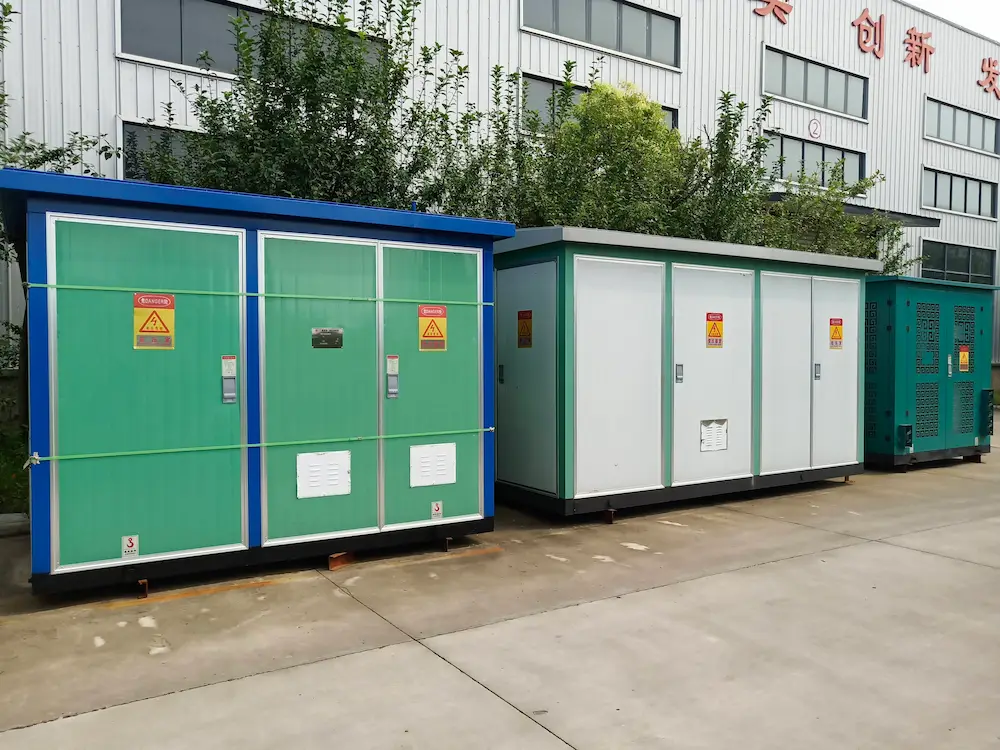
Applications and Industry Use Cases
Compact substations provide a practical power distribution solution for projects where installation space, construction time, or mobility is a concern.
Urban Power Distribution
Compact substations are well suited to urban areas where available space is limited. They can be installed in commercial buildings, residential developments, underground facilities, and other locations where a conventional substation may require more space.
Temporary and Mobile Power
Mobile compact substations can support temporary power requirements at construction sites, infrastructure projects, and other temporary facilities. Depending on the design, they can be relocated and reused for different projects.
Renewable Energy Projects
Compact substations are commonly used in solar and wind power projects to collect, transform, and distribute generated electricity. Their integrated design can simplify installation where space and site conditions are constrained.
Industrial and Emergency Applications
Industrial facilities and emergency power projects can use compact substations where reliable and quickly deployable power distribution is required. Configurations with monitoring and communication functions can also support remote operation and system management.
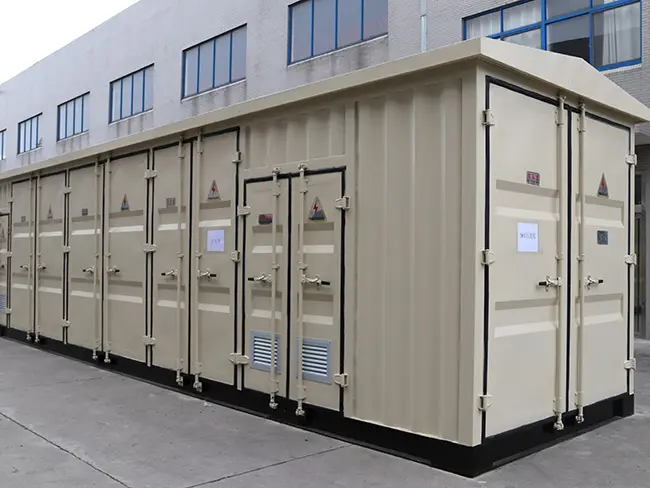
Choosing the Right Compact Substation: What to Consider
Choosing a compact substation requires more than matching transformer capacity to the expected load. Consider the following factors before selecting a configuration:
1. Site Constraints
Check the available installation space, equipment layout, ventilation, and access for transportation and maintenance. A compact design is especially useful where conventional substations cannot be easily accommodated.
2. Voltage and Load Requirements
Select the rated voltage, transformer capacity, and current ratings according to the network configuration and actual load demand. Make sure the equipment also meets the required insulation and short-circuit withstand levels.
3. Protection and Communication
Consider compatibility with protection relays, monitoring systems, SCADA, and communication protocols where remote monitoring or control is required.
4. Environmental Conditions
Consider ambient temperature, humidity, dust, pollution, corrosion, and installation altitude. The enclosure material and transformer cooling method should be selected according to the site conditions and equipment requirements.
5. Transportation and Mobility
For temporary or frequently relocated projects, consider lifting points, forklift access, transport dimensions, and other features that simplify handling and installation.
Compact vs GIS vs Pad-Mounted Substations: Which Is Right for You?
| Type | Best For | Advantages | Considerations |
| Compact Substation | Urban distribution, industrial sites, renewable energy, and space-limited projects | Compact layout, integrated equipment, flexible configuration | Configuration and capacity depend on project requirements |
| GIS Substation | Space-constrained sites and applications requiring enclosed high-voltage equipment | Enclosed design, high insulation performance, compact footprint | Higher cost and more specialized installation and maintenance |
| Pad-Mounted Substation | Outdoor distribution and utility applications | Simple installation, weather-resistant design, convenient outdoor deployment | Requires suitable outdoor space and access |
Compact substations are a practical choice when limited space, integrated equipment, and efficient installation are important. However, the right solution depends on voltage level, load requirements, site conditions, protection functions, and project budget.
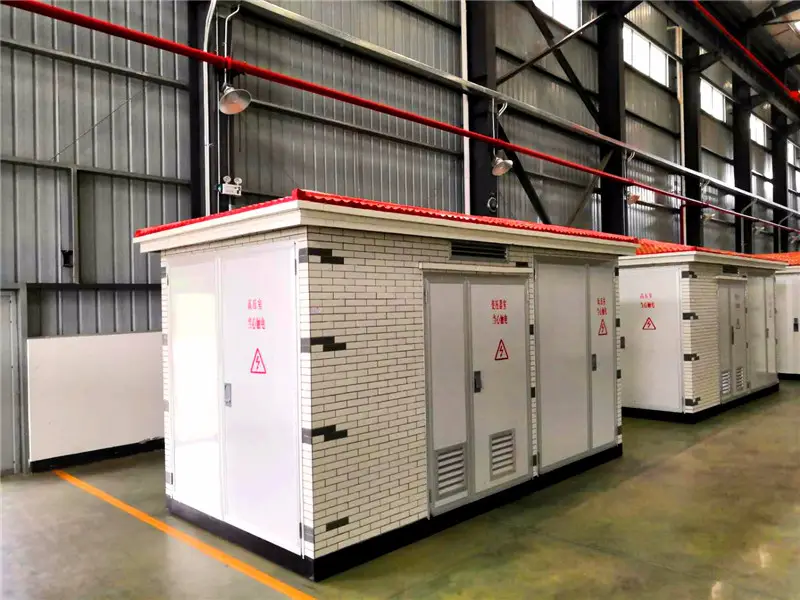
Advantages of Compact Substations
Compact substations combine an integrated structure with flexible installation options, making them suitable for projects where space, construction efficiency, and reliable power distribution are important.
Lower Installation and Construction Requirements
Factory-assembled compact substations can reduce on-site assembly and simplify civil work compared with conventional substation layouts. Their integrated design can also help shorten installation and commissioning time, depending on the project configuration.
Suitable for Space-Limited Sites
The compact structure allows these substations to be installed in locations where available space is restricted. They can be used in urban areas, industrial facilities, commercial sites, renewable energy projects, and other applications with demanding space constraints.
Smart Monitoring Options
Depending on the configuration, compact substations can be equipped with temperature, humidity, load, and other monitoring functions. These devices can connect with SCADA or other monitoring systems to support remote supervision and equipment management.
Energy-Efficient and Environmentally Adaptable
Compact substations can incorporate energy-efficient transformers and equipment selected according to the project’s environmental requirements. Proper enclosure design and equipment selection can also improve protection against dust, moisture, pollution, and other site conditions.
Need More Information?
Looking for reliable electrical equipment or a suitable solution for your project? Our team can provide product information, technical support, and customized solutions based on your application requirements.
For more information, please contact us. We are ready to assist with your electrical equipment needs.
Website: www.deshsun.com
Email: [email protected]