


Indoor and Outdoor Substation: How to Choose?
2026-10-06
Choosing between an indoor and outdoor substation is an important decision when designing a power distribution system. Both types can perform the same basic functions, such as voltage transformation, power distribution, and electrical protection, but their installation environments and design requirements are different.
The right choice depends on available space, environmental conditions, equipment configuration, safety requirements, maintenance access, and overall project cost. Understanding these factors can help you select a substation that provides reliable and efficient operation.
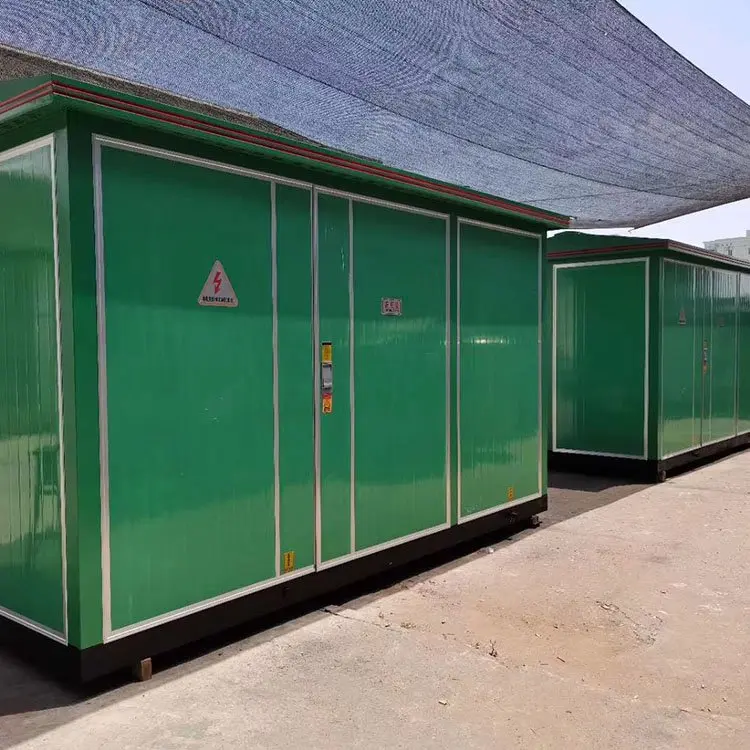
What Is an Indoor Substation?
An indoor substation is installed inside a dedicated building or enclosed electrical room. The structure provides additional protection for electrical equipment against rain, snow, dust, pollution, and other external conditions.
Indoor substations are often used where land is limited or where equipment needs to be integrated into an existing building or facility.
Key Features
- Enclosed installation: Electrical equipment is installed inside a dedicated building or room.
- Better environmental protection: The enclosure reduces direct exposure to weather, dust, and other external factors.
- Efficient use of space: Compact switchgear and other equipment can be arranged in a relatively small area.
- Suitable for: Commercial facilities, industrial plants, urban power distribution, metro systems, and other space-limited applications.
An indoor substation can also provide better control over temperature, ventilation, access, and noise when the building is properly designed.
What Is an Outdoor Substation?
An outdoor substation is installed in an open area, with major electrical equipment designed to withstand outdoor environmental conditions. Transformers, switchgear, circuit breakers, busbars, and other components can be arranged within a dedicated substation yard.
Outdoor substations are commonly selected for applications where sufficient land is available and the equipment can be safely separated from surrounding facilities.
Key Features
- Open-air installation: Equipment is installed outdoors with appropriate electrical clearances.
- Flexible layout: The available site area allows equipment to be arranged according to system requirements.
- Easy equipment access: Outdoor layouts can provide convenient access for inspection, maintenance, and replacement.
- Suitable for: Utility substations, power plants, renewable energy projects, industrial facilities, and rural power networks.
Outdoor equipment must be properly selected for local temperature, humidity, pollution, wind, rain, and other environmental conditions.
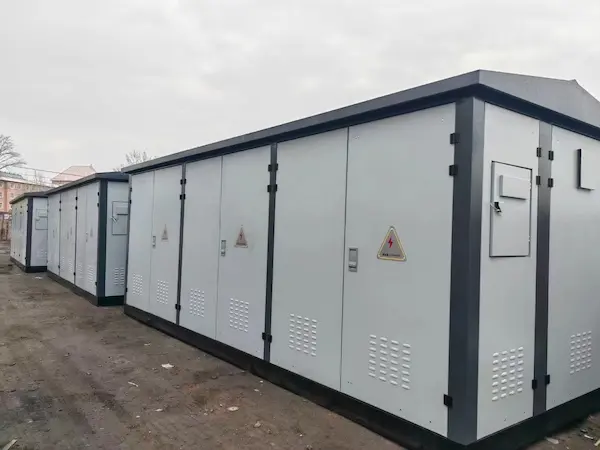
Indoor vs Outdoor Substation: Comparison
| Feature | Indoor Substation | Outdoor Substation |
| Installation | Inside a building or enclosed room | Open-air substation yard |
| Space requirement | Usually more compact | Generally requires more site area |
| Environmental protection | Higher protection from direct weather exposure | Equipment is exposed to outdoor conditions |
| Initial construction | Building and ventilation may increase cost | Usually requires less building construction |
| Maintenance | Equipment is protected from direct weather | Equipment requires suitable outdoor protection |
| Layout flexibility | Suitable for space-limited locations | More flexible where sufficient land is available |
| Typical applications | Urban, commercial, industrial facilities | Utility, renewable energy, power plants, rural sites |
The actual cost and maintenance requirements depend on the substation voltage level, equipment type, site conditions, and project design. Therefore, neither type is always cheaper or easier to maintain.
How to Choose the Right Substation Type
The choice between an indoor and outdoor substation should be based on the specific requirements of the project.
1. Consider Available Space
Space is one of the most important factors.
When land is limited, an indoor substation with compact switchgear can help make better use of the available area. For large sites where sufficient land is available, an outdoor substation can provide greater flexibility for equipment arrangement and future expansion.
2. Evaluate Environmental Conditions
Consider the local climate and surrounding environment before selecting the substation type.
Areas with high humidity, heavy rainfall, snow, dust, salt contamination, or industrial pollution may require additional protection for electrical equipment. Indoor installation can reduce direct environmental exposure, while outdoor equipment should be selected with suitable protection levels and materials.
3. Compare Construction and Operating Costs
Indoor substations may require additional construction for the building, ventilation, lighting, fire protection, and environmental control.
Outdoor substations generally require less building infrastructure, but the equipment and site may need appropriate weather protection, drainage, fencing, and other outdoor facilities.
The total cost should therefore include both initial construction and long-term operation and maintenance.
4. Consider Maintenance and Accessibility
Maintenance access should be considered during the initial design stage.
An indoor substation can provide a controlled working environment, while an outdoor substation may offer easier access to large transformers and other major equipment. In both cases, sufficient working space and safe access routes should be provided around the equipment.
5. Check Noise and Safety Requirements
Noise restrictions can be important when a substation is located near residential, commercial, or other noise-sensitive areas.
Indoor installations can incorporate building-level noise reduction measures. Outdoor substations may require equipment selection, acoustic barriers, or other measures to meet local requirements.
Safety Considerations for Indoor and Outdoor Substations
Both indoor and outdoor substations require careful electrical and structural design.
Important considerations include:
- Grounding: Provide a suitable grounding system to control touch and step voltages.
- Electrical clearances: Maintain the required clearance and insulation distances.
- Fire protection: Consider fire detection, fire-resistant construction, and appropriate separation between equipment.
- Access control: Restrict unauthorized access to energized equipment.
- Ventilation: Ensure adequate ventilation and heat dissipation for indoor equipment.
- Environmental protection: Select outdoor equipment according to local weather and pollution conditions.
- Maintenance access: Provide sufficient space for inspection, testing, repair, and equipment replacement.
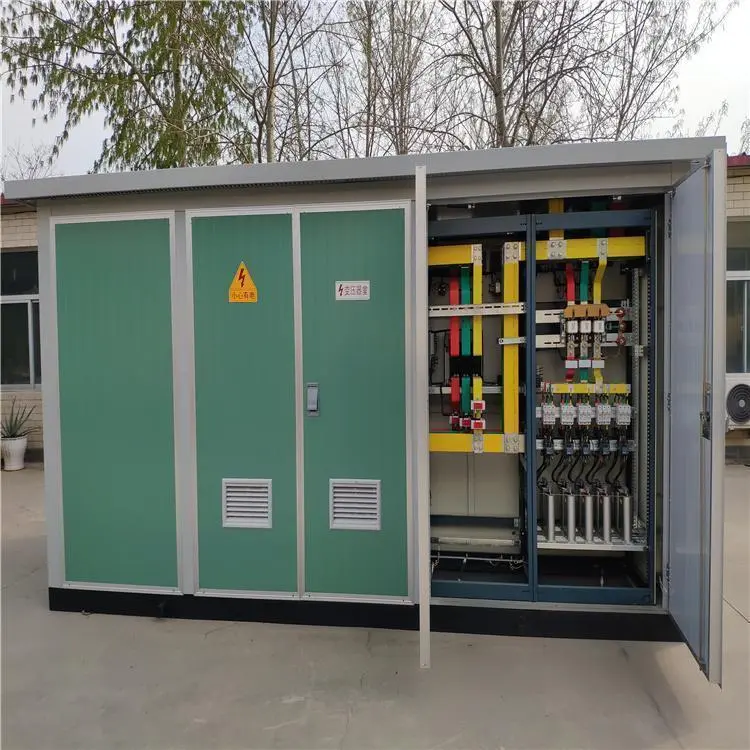
Common Challenges and Solutions
Limited Space
For urban or industrial sites with limited land, compact switchgear or gas-insulated switchgear (GIS) can help reduce the required installation area.
Harsh Outdoor Conditions
For outdoor substations, equipment should be selected according to the site’s temperature, humidity, pollution, wind, and other environmental conditions. Suitable enclosures and corrosion-resistant materials may also be required.
Future Expansion
If the electrical load is expected to increase, the substation layout should reserve sufficient space and connection capacity for future equipment.
Maintenance Downtime
Appropriate switchgear configurations, sectionalizing arrangements, and protection systems can help isolate faulty sections and reduce the impact of maintenance or equipment failures.
Relevant Standards and Requirements
Substation equipment and installations should comply with the standards and regulations applicable to the project location and voltage level.
Common standards may include:
- IEC 62271 series: High-voltage switchgear and controlgear
- IEC 61936-1: Power installations exceeding 1 kV AC
- IEEE standards: Applicable requirements for power equipment, protection, and substation systems
- Local electrical codes: Regional requirements for installation, safety, fire protection, and construction
The specific standards required will depend on the country, system voltage, equipment configuration, and project application.
Need More Information?
Looking for reliable electrical equipment or a suitable solution for your project? Our team can provide product information, technical support, and customized solutions based on your application requirements.
For more information, please contact us. We are ready to assist with your electrical equipment needs.
Website: www.deshsun.com
Email: [email protected]