


Oil-Immersed Transformers: Working Principle, Applications, and Selection
2026-10-09
What Is an Oil-Immersed Transformer?
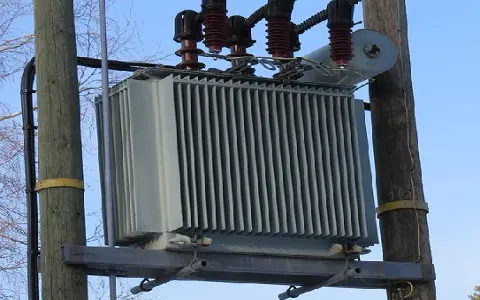
An oil-immersed transformer is a power transformer that uses insulating oil for electrical insulation and heat dissipation. The core and windings are housed inside a tank filled with insulating oil, which helps control operating temperature and maintain dielectric strength.
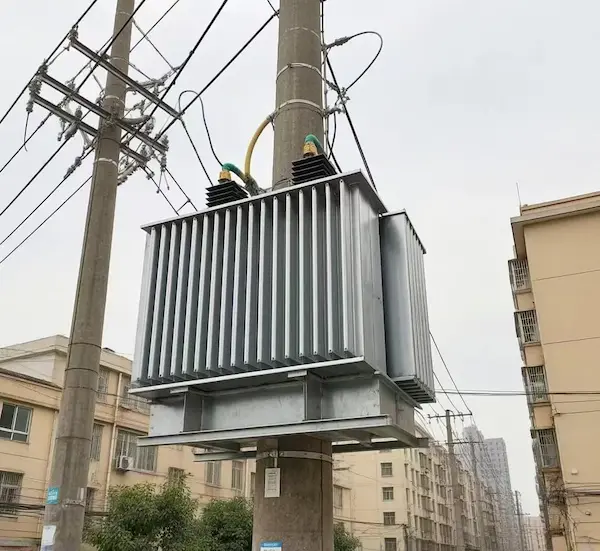
Oil-immersed transformers are widely used in utility substations, industrial facilities, power plants, and renewable energy projects. They are particularly suitable for applications requiring high power capacity and reliable continuous operation.
Main Components
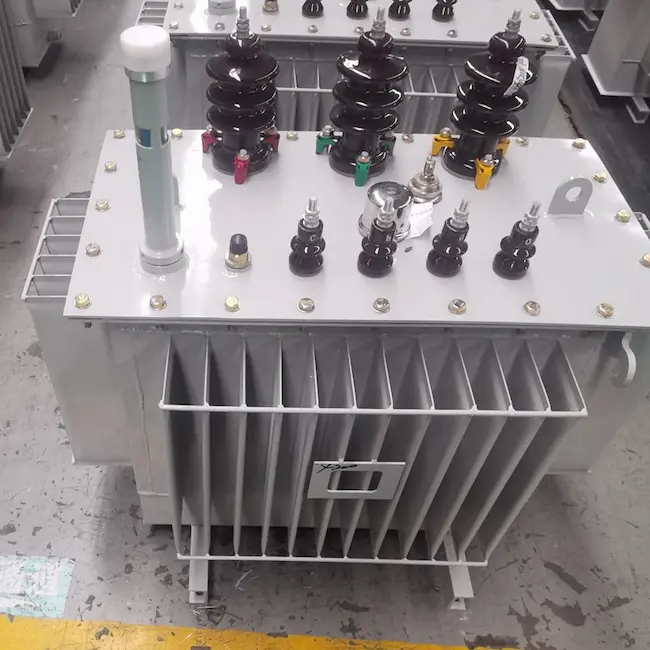
Common components of an oil-immersed transformer include:
- Magnetic core: Provides the path for magnetic flux.
- High-voltage and low-voltage windings: Transfer electrical energy through electromagnetic induction.
- Insulating oil: Provides electrical insulation and transfers heat away from the core and windings.
- Transformer tank: Contains the core, windings, and insulating oil.
- Radiators: Increase the surface area available for heat dissipation.
- Conservator and protective devices: Used in applicable designs to accommodate oil volume changes and monitor operating conditions.
How Does an Oil-Immersed Transformer Work?
An oil-immersed transformer operates through electromagnetic induction. When alternating current flows through the primary winding, it produces a changing magnetic flux in the core. This flux induces a voltage in the secondary winding, allowing the transformer to step voltage up or down according to its winding ratio.
During operation, the core and windings generate heat. The insulating oil absorbs this heat and transfers it to the tank walls or radiators. Depending on the cooling design, heat is released through natural circulation or assisted by fans and oil pumps.
The oil also provides insulation between energized components, helping the transformer withstand electrical stress.
Oil-Immersed vs. Dry-Type Transformers
Both oil-immersed and dry-type transformers are used for power distribution, but their cooling methods, installation requirements, and maintenance needs differ.
| Feature | Oil-Immersed Transformer | Dry-Type Transformer |
|---|---|---|
| Cooling medium | Insulating oil | Air and, depending on design, other cooling arrangements |
| Insulation | Liquid and solid insulation | Solid insulation with air cooling |
| Fire considerations | Requires measures to manage oil-related fire risks | Avoids the use of insulating oil |
| Installation | Commonly used outdoors and in suitably designed transformer rooms | Often used indoors and near load centers |
| Maintenance | Requires oil inspection and periodic testing | Requires inspection, cleaning, and condition monitoring |
| Typical applications | Utility substations, industrial power systems, renewable energy plants | Commercial buildings, factories, and indoor distribution systems |
Neither type is universally better. The appropriate choice depends on transformer capacity, site conditions, fire protection requirements, available space, and lifecycle cost.
Common Applications of Oil-Immersed Transformers
Oil-immersed transformers are widely used in power systems that require dependable voltage conversion and effective heat management.
Utility Substations
They step voltage up or down for transmission and distribution, supporting reliable power delivery across the grid.
Industrial Facilities
Factories, mining operations, and heavy industrial plants use oil-immersed transformers to supply motors, production equipment, and other high-power loads.
Solar and Wind Power Projects
These transformers connect renewable energy generation systems to collection networks or the utility grid, according to project voltage and capacity requirements.
Rural and Remote Power Distribution
Their robust construction and range of available ratings make oil-immersed transformers suitable for many outdoor distribution applications, provided environmental and maintenance requirements are addressed.
Key Benefits and Limitations
Main Benefits
- Effective heat dissipation: Insulating oil transfers heat away from the core and windings.
- Flexible capacity options: Available in a wide range of distribution and power ratings.
- Suitable for continuous operation: Properly specified units can support demanding industrial and utility loads.
- Outdoor installation options: Many designs are suitable for outdoor substations and distribution networks.
Important Limitations
- Fire protection: Mineral insulating oil is combustible, so appropriate separation, containment, and fire protection measures may be necessary.
- Oil maintenance: Oil condition, moisture content, and dielectric properties may require periodic testing.
- Installation requirements: Tank placement, ventilation, access, and oil containment must be considered during site planning.
- Environmental protection: Oil leaks must be prevented and managed to reduce environmental risks.
How to Select the Right Oil-Immersed Transformer
Selecting an oil-immersed transformer requires more than matching the rated power and voltage. The following factors should be evaluated before ordering.
1. Rated Power (kVA or MVA)
Determine the maximum demand, load characteristics, and expected future expansion. Transformer capacity should be selected using a load assessment that considers demand variation, starting currents, harmonics where relevant, and allowable loading conditions.
Avoid applying a fixed capacity margin without evaluating the actual load profile and operating requirements.
2. Primary and Secondary Voltage
Match the transformer voltage ratings to the supply network and connected equipment. Common distribution configurations include 11 kV/400 V, but the correct voltage depends on local grid standards and project requirements.
Also verify the frequency, phase configuration, vector group, and neutral-grounding requirements.
3. Cooling Method
The cooling arrangement affects the transformer’s thermal performance and rated capacity. Common methods include:
- ONAN: Oil Natural, Air Natural.
- ONAF: Oil Natural, Air Forced.
The appropriate method depends on the transformer design, required capacity, ambient temperature, and operating conditions.
4. Insulation Level and Temperature Rise
Check the specified power-frequency and lightning impulse withstand levels, temperature-rise limits, and applicable insulation requirements. These parameters should match the system voltage and the installation environment.
5. Tap Changer
A tap changer adjusts the winding ratio to help maintain the required output voltage.
- Off-circuit tap changer: The transformer must be de-energized before the tap position is changed.
- On-load tap changer (OLTC): Allows tap changes while the transformer remains energized and supplies the load, within its specified operating limits.
Choose the appropriate type based on voltage regulation needs, operating practices, and project cost.
6. Environmental and Installation Conditions
Consider ambient temperature, humidity, altitude, pollution, corrosion, and available installation space. Outdoor installations may also require suitable foundations, oil containment, grounding, access clearance, and fire protection.
7. Standards and Quality Requirements
Specify compliance with the applicable IEC, IEEE, ANSI, or local standards. Confirm routine test requirements, guaranteed losses, impedance, temperature-rise limits, and required documentation with the manufacturer.
Conclusion
Oil-immersed transformers remain an important solution for utility networks, industrial power distribution, and renewable energy installations. Their liquid insulation and cooling system make them suitable for many applications requiring reliable power transfer and effective thermal management.
Before selecting a unit, evaluate the required capacity, voltage ratio, cooling method, insulation level, tap changer, environmental conditions, and maintenance requirements. A properly specified transformer can support safe, efficient, and dependable operation throughout its service life.
Need More Information?
Looking for reliable electrical equipment or a suitable solution for your project? Our team can provide product information, technical support, and customized solutions based on your application requirements.
For more information, please contact us. We are ready to assist with your electrical equipment needs.
Website: www.deshsun.com
Email: [email protected]