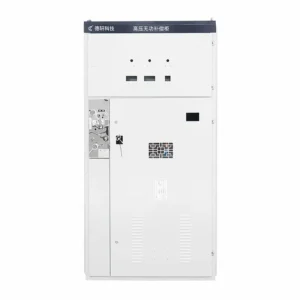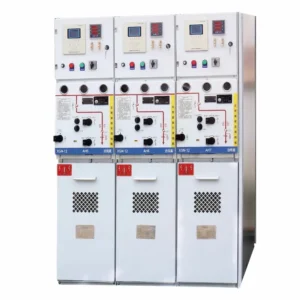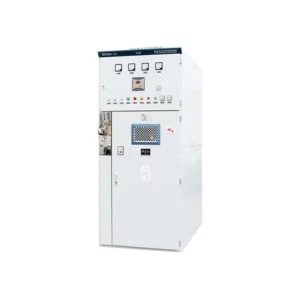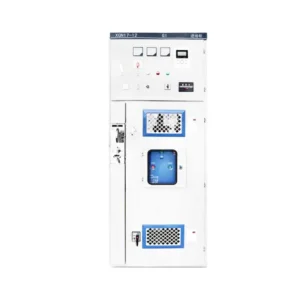

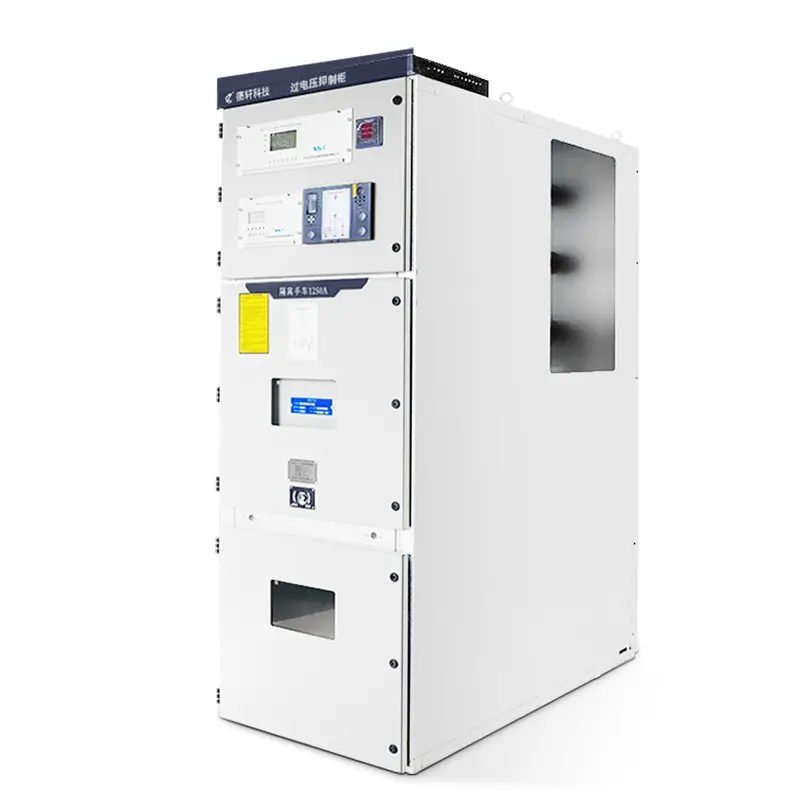
Overvoltage Suppression Cabinet
The Overvoltage Suppression Cabinet is designed to protect electrical equipment from transient overvoltages caused by lightning strikes, switching operations, and system resonance. By integrating appropriate overvoltage protection devices, it helps limit voltage surges, reduce electrical stress on insulation, and prevent equipment damage. It is widely used in power plants, substations, industrial facilities, and renewable energy systems to improve power system safety and operational reliability.
Get a QuoteOverview
The Overvoltage Suppression Cabinet is designed to protect electrical equipment and power distribution systems against transient overvoltages caused by switching operations, lightning strikes, and system disturbances. By integrating appropriate overvoltage protection components, such as metal-oxide surge arresters and RC snubber circuits, the cabinet helps limit voltage surges, reduce electrical stress on insulation, and improve the operational reliability of connected equipment.
Suitable for applications in power plants, substations, industrial facilities, and renewable energy systems, the overvoltage suppression cabinet can be configured to meet different system voltage levels and protection requirements. Its design can be tailored to the characteristics of the electrical network and the equipment being protected, providing a practical solution for switching overvoltage suppression and electrical insulation protection.
Working Principle
The Overvoltage Suppression Cabinet limits transient overvoltages through the coordinated operation of protective components. When an abnormal voltage surge occurs, the selected protection devices respond according to their electrical characteristics, limiting the overvoltage and providing a path for surge current or dissipating transient energy.
Metal-oxide surge arresters (MOAs) are commonly used to limit lightning and switching surges, while RC snubber circuits help suppress switching transients and damp voltage oscillations. Other protective components may be incorporated according to the system configuration and application requirements.
By limiting excessive voltage and reducing electrical stress on insulation systems, the cabinet helps improve the reliability and operational safety of connected electrical equipment.
Key Components
Metal-Oxide Surge Arresters (MOAs)
Metal-oxide surge arresters use nonlinear zinc oxide elements to limit excessive voltage and discharge surge current. They are widely used in power systems to protect transformers, switchgear, and other electrical equipment against lightning and switching overvoltages.
RC Snubber Circuits
RC snubber circuits consist of resistors and capacitors designed to suppress switching transients and damp voltage oscillations. They are particularly useful in applications where switching operations may generate transient overvoltages.
Transient Voltage Suppression (TVS) Devices
TVS diodes provide fast voltage clamping for transient pulses in suitable low-voltage electronic and control circuits. Their application depends on the operating voltage and the energy level of the expected transient.
Monitoring and Control Components
Depending on the cabinet design, monitoring and control components may include voltage sensors, control units, status indicators, alarm functions, and RS485 communication interfaces. These features can support equipment status monitoring, fault indication, and remote communication.
Auxiliary Components
Additional components may include discharge gaps, isolating switches, grounding terminals, and other auxiliary devices required by the protection scheme.
Technical Features
Effective Overvoltage Suppression
The cabinet helps limit transient overvoltages caused by lightning strikes, switching operations, and electrical system disturbances, reducing the risk of insulation damage and equipment failure.
Multiple Protection Options
Different protection components can be selected according to the system voltage level, overvoltage characteristics, and equipment insulation requirements. Protection schemes can be configured for applicable phase-to-phase and phase-to-ground overvoltages.
Fast Protective Response
The response characteristics depend on the selected protective devices and circuit design. Proper component selection and installation help limit transient voltage peaks and reduce the electrical stress imposed on connected equipment.
Intelligent Monitoring Options
Where equipped with a monitoring and control unit, the cabinet can support status indication, fault alarms, event recording, and RS485 communication for remote monitoring.
Modular Configuration
A modular design, where available, facilitates component inspection, replacement, and maintenance. Cabinet configurations can be tailored to different electrical system requirements and installation applications.
Applications
Power Plants and Substations
Used to protect high-voltage switchgear, power transformers, gas-insulated switchgear (GIS), and other critical equipment against lightning and switching overvoltages.
Industrial and Mining Facilities
Helps suppress switching overvoltages associated with motors, variable frequency drives, and other inductive loads, supporting the reliable operation of industrial electrical systems.
Solar and Wind Power Systems
Applied in photovoltaic power plants and wind farms to help protect inverters, transformers, and associated electrical equipment against transient overvoltages.
Railway Traction Power Systems
Helps limit overvoltage disturbances in traction power supply systems and protect associated electrical equipment from excessive voltage stress.
Selection and Installation
Selecting an appropriate Overvoltage Suppression Cabinet requires consideration of the system voltage level, the type of overvoltage, the insulation requirements of the protected equipment, and the installation environment.
Common system voltage levels include 6 kV, 10 kV, and 35 kV. The protection scheme should be selected according to the actual electrical system parameters and the expected transient conditions.
During installation, the cabinet should be positioned close to the equipment being protected where practical. Grounding connections should be reliable, and wiring arrangements should minimize unnecessary conductor length and comply with applicable electrical standards.
Environmental factors, including temperature, humidity, and pollution level, should also be considered when selecting the cabinet configuration and enclosure protection rating.
Maintenance and Inspection
Regular inspection helps maintain the performance and reliability of the Overvoltage Suppression Cabinet. Recommended maintenance activities include:
- Inspecting the cabinet enclosure, electrical connections, and grounding conductors.
- Checking surge arrester condition and monitoring leakage current where applicable.
- Inspecting RC circuit capacitors, resistors, and associated connections.
- Verifying the operation of status indicators, alarm functions, and communication interfaces where installed.
- Replacing damaged or degraded components according to inspection results and manufacturer recommendations.
The maintenance schedule should be determined according to the equipment specifications, operating environment, and applicable maintenance standards.