
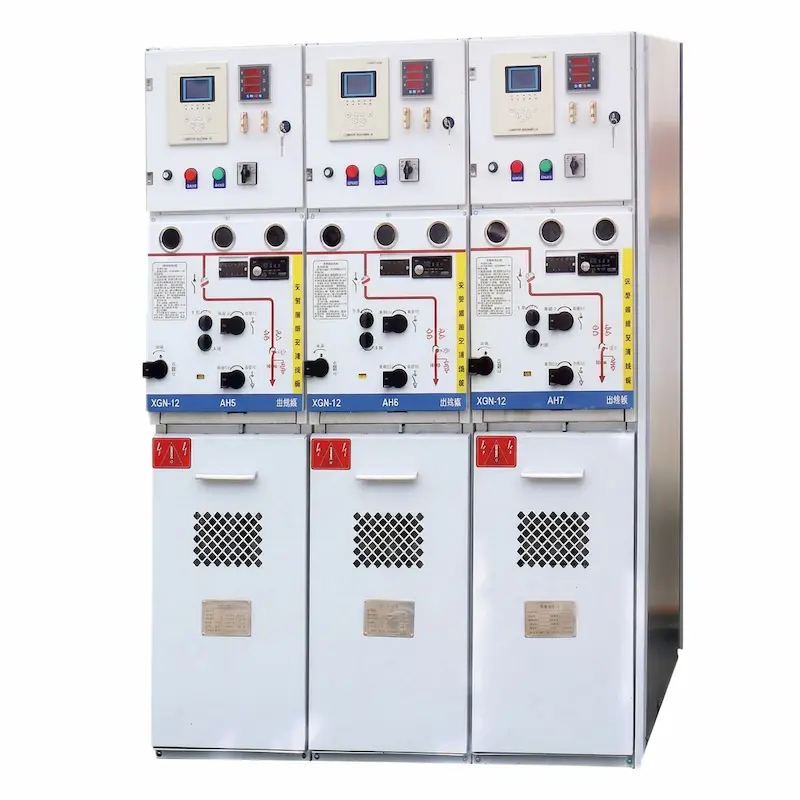
Solid Insulated Switchgear | Medium Voltage Switchgear Manufacturer
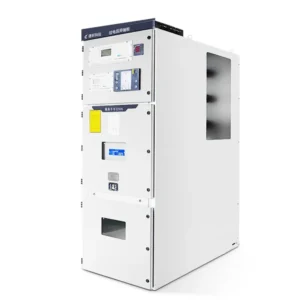
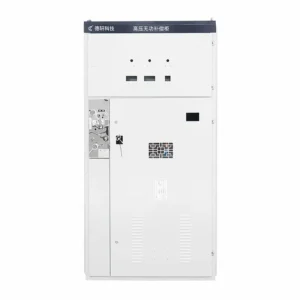
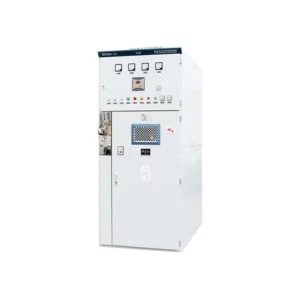
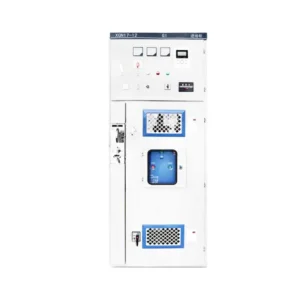
Solid Insulated Switchgear (SIS) is an advanced medium voltage switchgear solution that uses solid dielectric materials, such as epoxy resin, instead of traditional SF₆ gas or air insulation. By combining solid insulation technology with vacuum switching, it provides a compact, safe, and environmentally friendly solution for power distribution systems. With excellent insulation performance, low maintenance requirements, and strong resistance to harsh environments, solid insulated switchgear is widely used in industrial facilities, renewable energy projects, urban distribution networks, and other medium voltage applications.
Get a QuoteOverview
Solid Insulated Switchgear (SIS) is an advanced medium voltage switchgear solution that uses solid dielectric materials instead of traditional SF₆ gas or air insulation. By integrating vacuum switching technology with epoxy resin insulation, the switchgear provides a compact, safe, and environmentally friendly solution for modern power distribution systems.
Designed for applications requiring high reliability, reduced maintenance, and improved environmental performance, solid insulated switchgear is widely used in industrial power systems, renewable energy projects, commercial buildings, and distribution networks.
Unlike conventional SF₆ gas-insulated switchgear, solid insulated switchgear eliminates the risk of gas leakage while maintaining excellent insulation performance and operational reliability.
Operating Conditions
1. Operating Temperature: -5℃ to +40℃
2. Altitude: ≤1000m;
3. Humidity: ≤95% RH (24h average);
4. Protection Degree: IP4X / IP65 (Optional).
Key Features of Solid Insulated Switchgear
Solid insulated switchgear combines advanced insulation technology with a compact and reliable design, providing an efficient solution for modern medium voltage power distribution systems.
1. Solid Insulation Technology
The switchgear uses high-performance solid dielectric materials, such as epoxy resin, to replace traditional insulation methods. The fully insulated structure provides excellent electrical performance, reduces maintenance requirements, and improves long-term operational reliability.
2. Modular and Compact Design
With a modular structure, solid insulated switchgear offers a compact footprint and flexible configuration options. The design simplifies installation, operation, and maintenance while reducing space requirements for medium voltage distribution systems.
3. Enhanced Safety Performance
The fully insulated and shielded design minimizes the risk of accidental contact with live components, electrical faults, and insulation failures. It provides improved protection for operators and ensures safer power distribution.
4. Environmentally Friendly Solution
Solid insulated switchgear does not use SF₆ gas as an insulation medium, helping reduce greenhouse gas emissions and environmental impact. It is an ideal choice for green power systems and sustainable electrical infrastructure.
5. Long Service Life and High Reliability
High-quality solid insulation materials provide excellent resistance against aging, moisture, and environmental stress. This helps extend equipment service life and ensures stable performance under demanding operating conditions.
Applications of Solid Insulated Switchgear
Solid insulated switchgear is widely used in medium voltage power distribution systems, including:
Industrial Power Distribution
Suitable for:
- Manufacturing plants
- Steel plants
- Chemical industries
- Mining facilities
where continuous and reliable power supply is required.
Renewable Energy Systems
Used in:
- Solar power plants
- Wind farms
- Energy storage systems
for reliable medium voltage collection and distribution.
Urban Distribution Networks
The compact and environmentally friendly design makes SIS suitable for:
- Underground substations
- Commercial buildings
- Smart grid applications
- Compact distribution rooms
Prefabricated Substations
Solid insulated switchgear can be integrated into compact substations to reduce installation space and improve system reliability.